Hi, I'm Melisa!

I am a curious researcher, finance enthusiast, and tech-savvy problem solver.

My academic path has been shaped by the Technical University of Berlin and Humboldt-Universität zu Berlin, where I am completing my M.Sc. in Business Administration with a focus on Finance, Accounting, and Tech.

Professionally, I bring 5+ years across finance, accounting, and treasury in VC-backed startups, with hands-on exposure to high-growth environments.

Right now, my Master’s Thesis explores how subtle framing in earnings headlines shapes investor perception, using GPT-5 and FinBERT to simulate market interpretation.

I combine skills in Python and R with ERP and financial analysis experience, turning complex data into clear insights. Academically, I have worked on corporate restructuring cases (M&A, PE, LBOs, and financial distress).

My academic projects are primarily empirical and inspired by reproducibility and transparency principles of TRR 266. 💻 Besides the projects showcased below, my work ranges from AI-enhanced satellite imagery in institutional lending to an analysis of the British census – examining statistical data collection, inflation-driven costs, and system adaptation under technological and economic change.

On the creative side, I enjoy photography and design in Pixelmator. Check out a liquid-style uni logo animation below!

Let’s connect and collaborate!

Master’s Thesis · LLM Experiment on Earnings Headlines

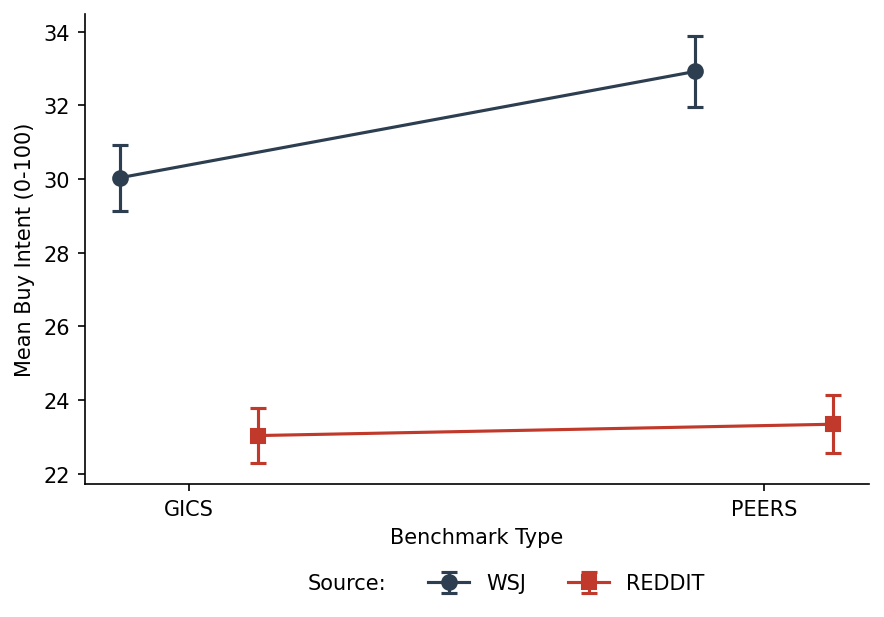
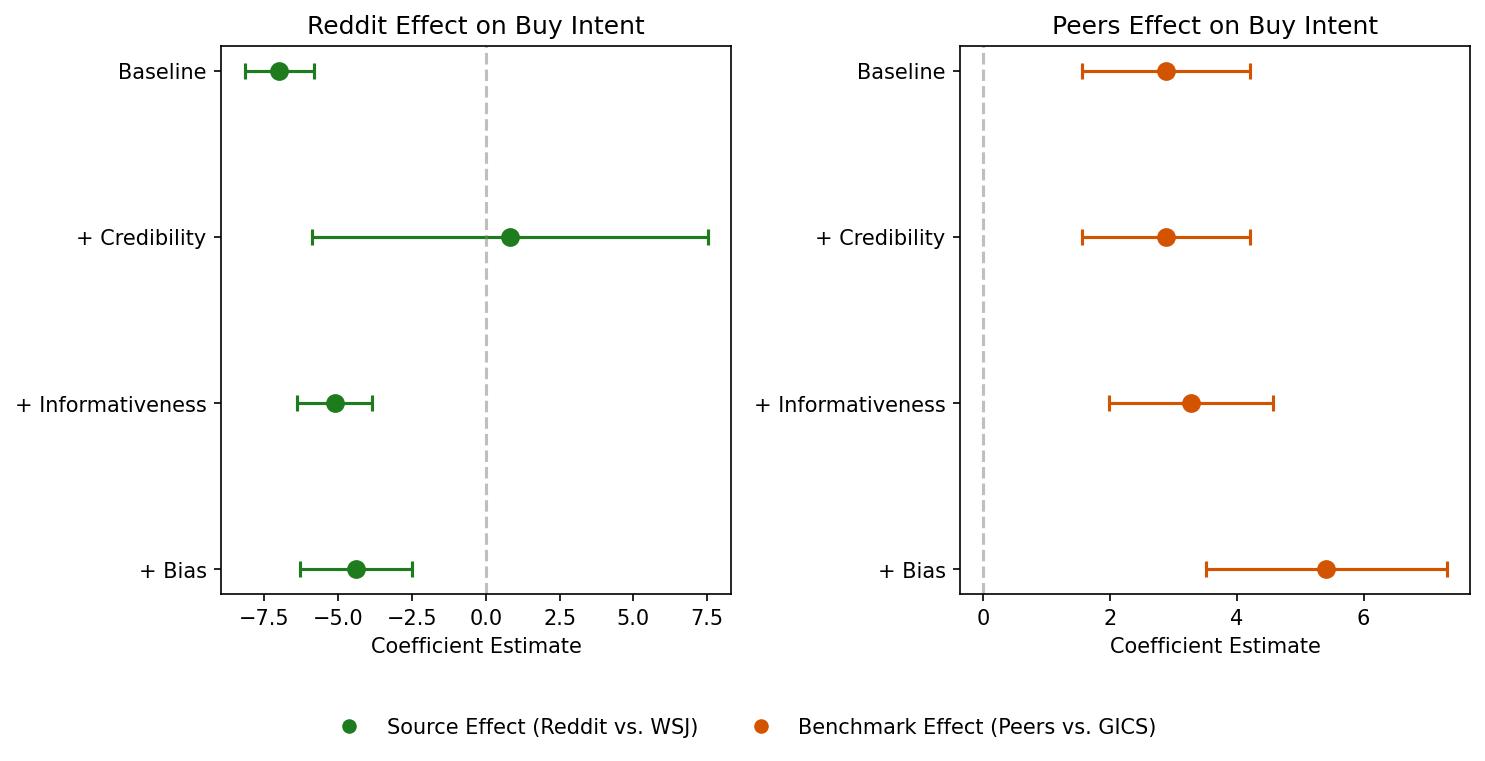
How do framing and source credibility affect investor interpretation of earnings news?

Building an LLM experiment with GPT-5 + FinBERT (via Hugging Face) on 1,000+ synthetic headlines - contrasting social media (Reddit) with financial press (Wall Street Journal).

First LLM-based thesis in this niche. Highly relevant for large-cap firms: even subtle Big Tech earnings headlines (isolated from sentiment effects) can alter perceived credibility and caution.

Demonstrates how subtle framing shifts can change investor expectations - insights that could guide corporate communications teams and investor relations in managing market reactions.

FP&A Python Hugging Face FinBERT Transparent research
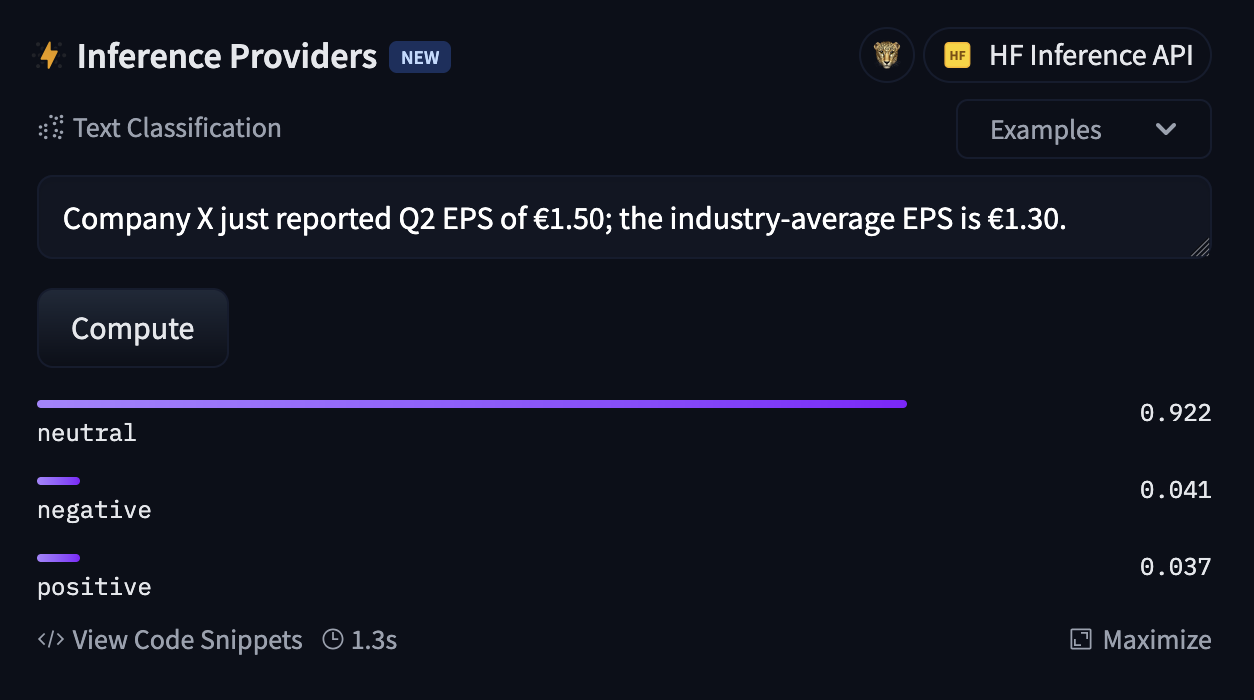
FinBERT neutral score check

Quarto Thesis Template for HU Berlin

Can thesis writing be simplified and made reproducible for an entire faculty?

Authored an official Quarto/LaTeX template for the School of Business & Economics at HU Berlin , also adopted into official submission guidelines. Now widely used across the faculty, saving each student ~20+ hours of formatting work so they focus on research.

Quarto LaTeX Reproducible workflows HU Berlin
Celebration GIF

Women in Economics Initiative @ HU Berlin

Student Initiative Member in the women's network at the School of Business and Economics.

WiE is a volunteer-run, non-profit association committed to advancing gender equality in the field of economics. Its mission is to support equal opportunity and balanced representation across academia, business, and the public sector, while providing a forum where women can exchange ideas and offer mutual support.

As part of the initiative, I helped organise a Science Cinema collaboration with unifilm.de. The event highlighted the achievements of Nobel Prize–winning women economists and gave students a space to reflect on representation, career choices, and confidence in pursuing research paths.

Women in economics Student initiative Diversity & inclusion
Women in Economics Science Cinema Event

Earnings Management and Investor Protection

Do stronger investor rights curb earnings management across countries?

Replicated Leuz–Nanda–Wysocki (2003) on Worldscope (1990–1999). 31 countries · 18,040 firms · 123,469 firm-years. Rebuilt EM1–EM4 plus aggregate score; country ranks closely match the original. Patterns hold: weaker protection → more smoothing, larger accruals, loss avoidance.

Benchmark for cross-country disclosure risk and governance screens. Provides a benchmark for governance risk screens - useful in corporate treasury or strategy teams evaluating disclosure risks across international subsidiaries.

Treasury Cash management Worldscope Investor protection Cross-country Reproducible research

Sentiment Dynamics of Fed Speeches

Can central bank tone signal crisis severity and policy intent?

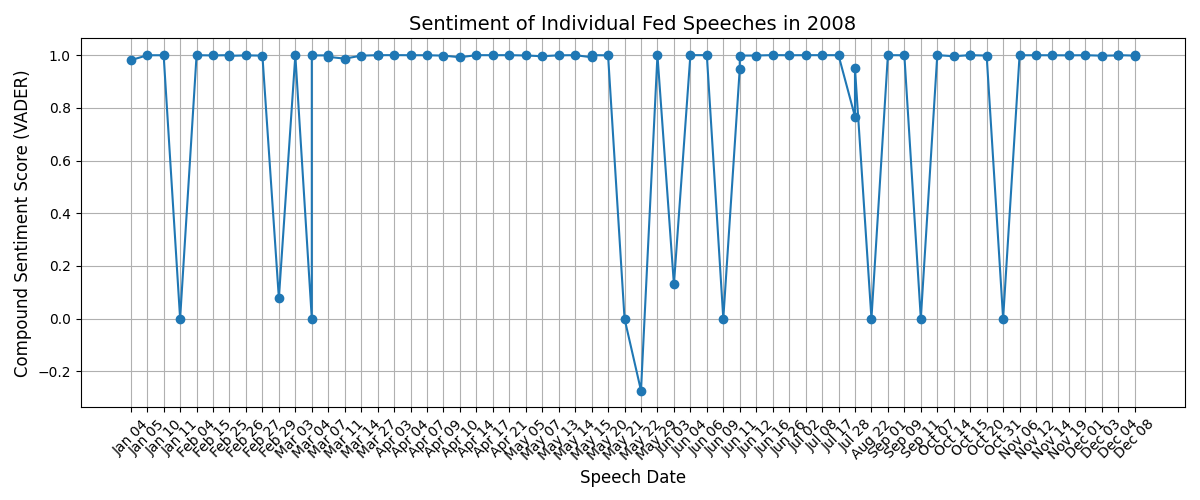
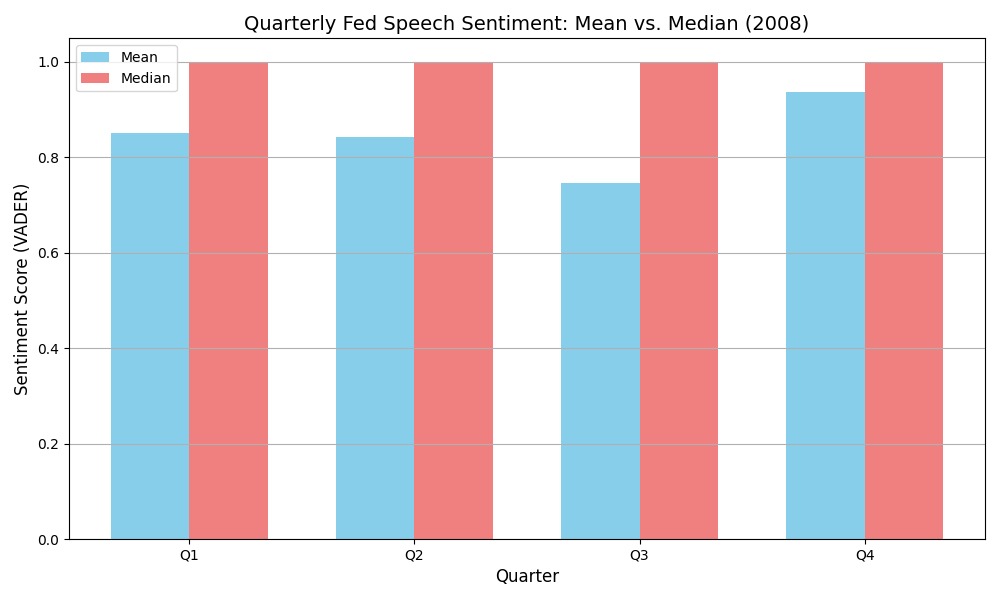
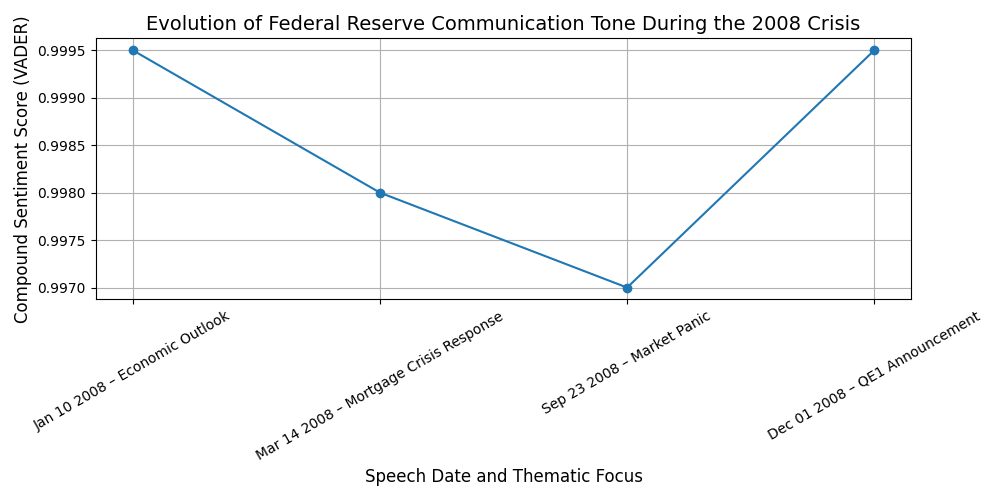
Analyzed 70+ Federal Reserve speeches from 2008 with VADER sentiment analysis. Mapped tone shifts across quarters and policymakers, capturing deliberate use of tone to support credibility and calm markets, with a sharp rebound during the December QE1 announcement. Quantifies how communication tone can stabilize expectations - the same type of analysis FP&A teams can use when modeling macro shocks on company forecasts. Methodology is generalizable and may be extended to international central banks (e.g., ECB), and broader macro-financial event detection pipelines.

Conducted at DIW Berlin (German Institute for Economic Research).

FP&A NLP Sentiment analysis VADER Reproducible research
Sentiment of individual speeches Quarterly mean & median sentiment Aggregate tone plot

AI Job-Matching Simulation

Can AI recommendations improve job matches – and for whom?
Inspired by Le Barbanchon et al. (2023) and refined through discussion with the author.

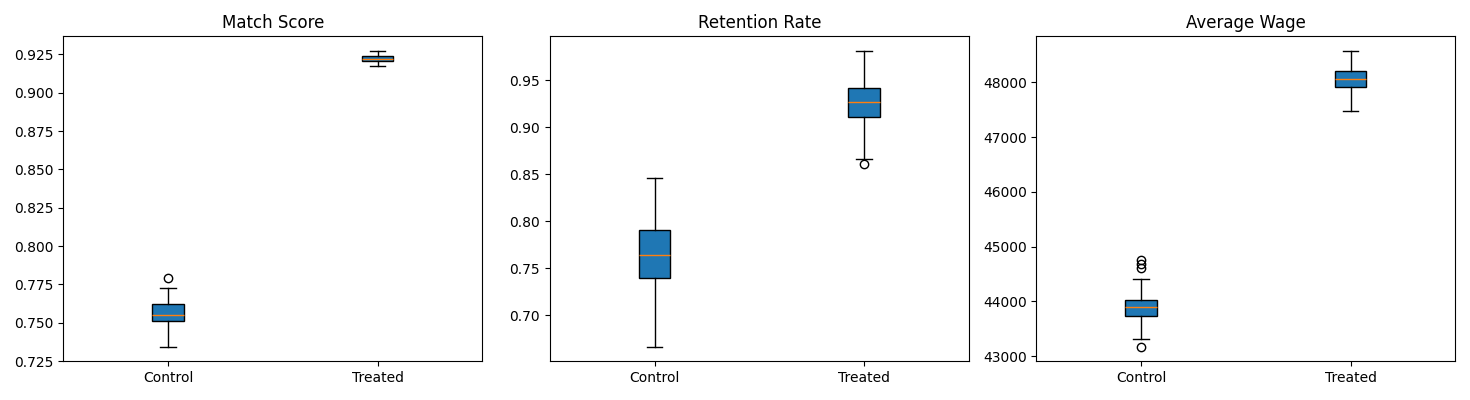
Built a Python simulation to pre-test a proposed U.S. RCT study design. RCT-style simulation shows higher match quality, retention ≈93% vs 78%, and wages ≈$47.9k vs $44.0k for treated job seekers. Biggest relative gains for low-skill workers; effects robust across repeated runs.

Highly relevant for fresh graduates entering job markets. Simulated RCT outcomes inform labor market policy, but in corporate settings the same simulation logic can test hiring strategies, retention investments, or workforce planning scenarios.

Simulation RCT-experiment Synthetic data Cosine similarity Subgroup analysis
Simulation pipeline Retention vs wage outcomes

How Much New Information is There in Earnings?

Do quarterly earnings announcements provide new information or mainly confirm what markets already know?

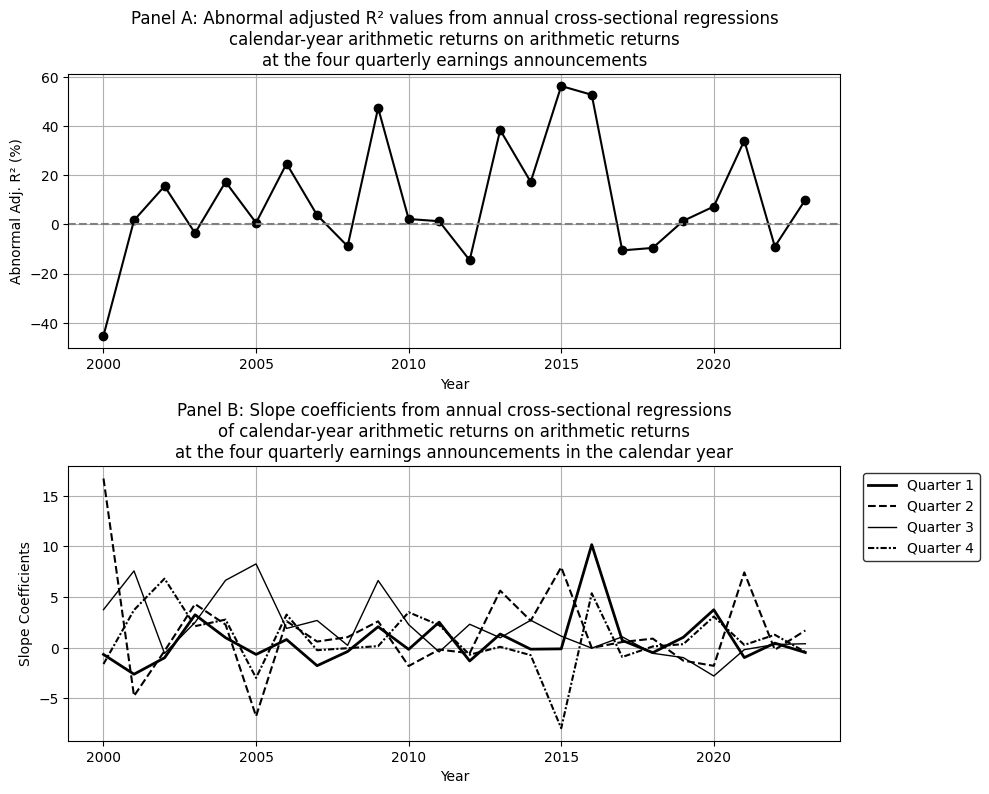
Replicated and extended Ball & Shivakumar (2008) across datasets: mapped CRSP/Compustat to Worldscope/Datastream and aligned IDs, dates, and event windows. Event-study regressions show earnings explain ≈1–2% of annual stock return variation. Extended analysis to 2007–2023 and to Canada to test robustness across time and markets.

Inspired my Master’s Thesis and contributes to debates on market efficiency and the role of accounting disclosures in investment decisions.

Reproducible research Cross-database mapping CRSP / Compustat Worldscope / Datastream Event-window analysis
Replication – Figure 1

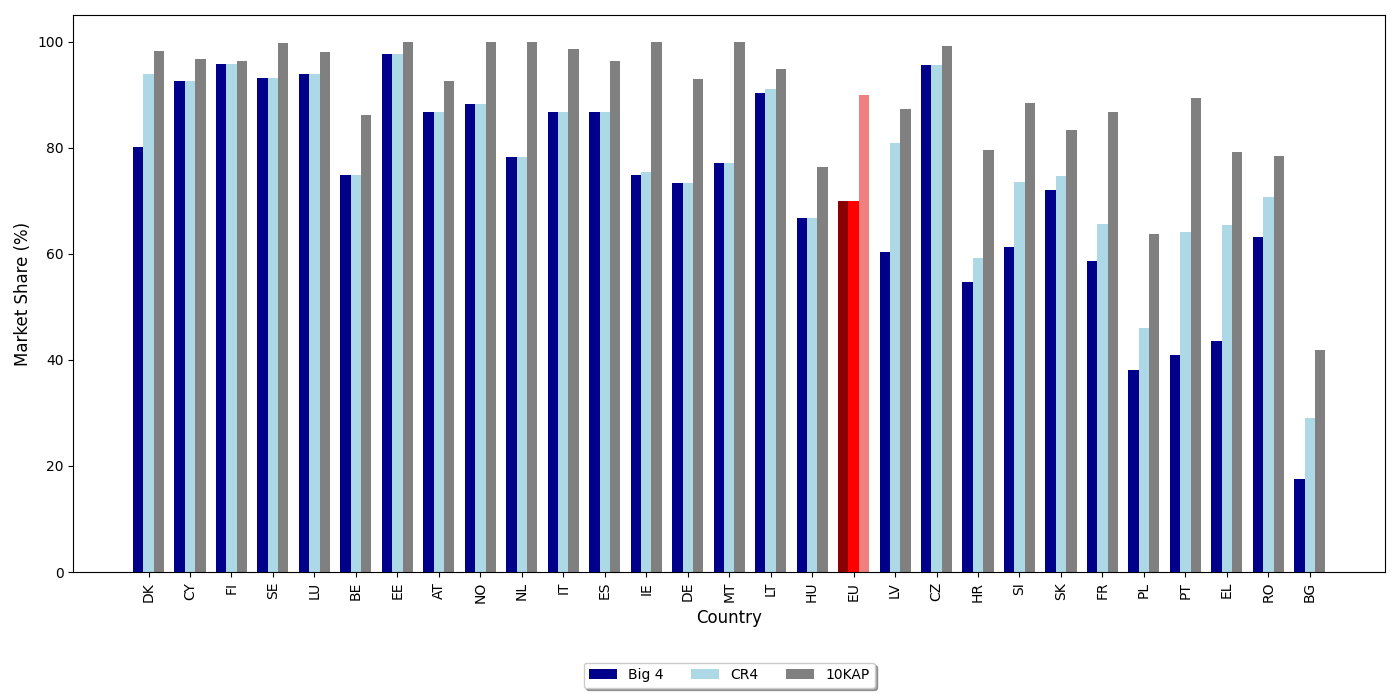
Audit Market Concentration in the EU

How concentrated is EU auditing - who really signs PIE opinions across countries?

Replicated the EC (2024) figure using WRDS Audit Analytics Transparency Reports (2021). Computed Big 4, CR4, and 10KAP shares per country + EU aggregate. Big 4 exceed ≈80% in 11 Member States; EU-level ≈70% (10KAP ≈90%). Harmonized network names and duplicates to ensure cross-country comparability.

Useful for competition policy and regulatory debates - where diversification is real vs. where Big 4 dominance persists.

WRDS / Audit Analytics Big4 · CR4 · 10KAP HHI / market shares Reproducible research
EU audit market shares (Figure 3)

P/B Ratios and Future Residual Income

Does P/B embed expectations about future residual income under clean-surplus logic?

Computed deflated residual income with a constant 8% cost of equity and grouped firms into 20 P/B buckets (trimmed P/B ≤ 7). Replicates Penman-style patterns: high P/B → higher near-term residuals that mean-revert; low P/B → persistently negative residuals.

Practical for screening and valuation cross-checks.

Worldscope Residual income P/B grouping Reproducible research